Explore the Film
Venomous snakebite occupies an important but often overlooked place in the history of toxicology, immunology, emergency medicine, and public health.
Antivenom was born in the same scientific revolution that helped establish vaccines, antitoxins, and modern immunology, then remained anchored for more than a century to the same basic production model: animal-derived antibodies.
The Antivenom Interviews (target: Q4 2028) is a feature-length documentary exploring this lifesaving technology from Pasteur-era serum therapy to the modern snakebite crisis, and to the breakthroughs that may finally reshape treatment for the next century.
The pitch deck below provides a deeper look at the story, production plan, participants, and visual approach.
About the Producers
Ray Morgan — Science communicator and documentary filmmaker. He previously produced The Venom Interviews (2016).
Leslie Boyer, MD — Historian, scientific advisor, and co-producer. Medical toxicologist who has overseen or participated in development of over a dozen snakebite treatments in use or under investigation around the world.
The Asclepius Snakebite Foundation — Nonprofit organization dedicated to improving snakebite treatment, primarily in sub-Saharan Africa.
Sample Video
Below is a short proof-of-concept video for The Antivenom Interviews, including some of the material shot in Benin and Mexico. (For this proof of concept, I’m standing in for the experts who will appear in the finished film.)
Current Status, Remaining Work
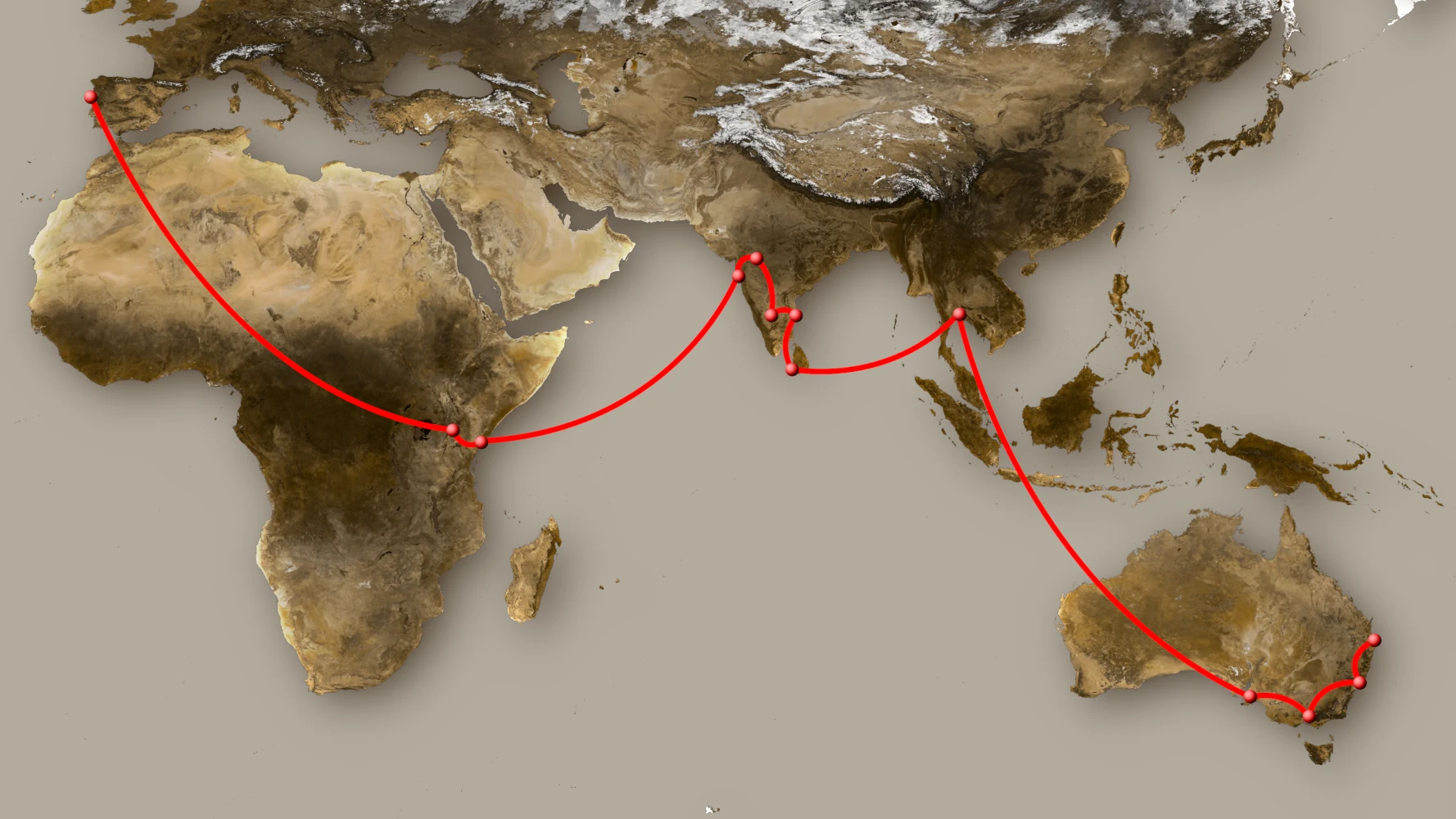
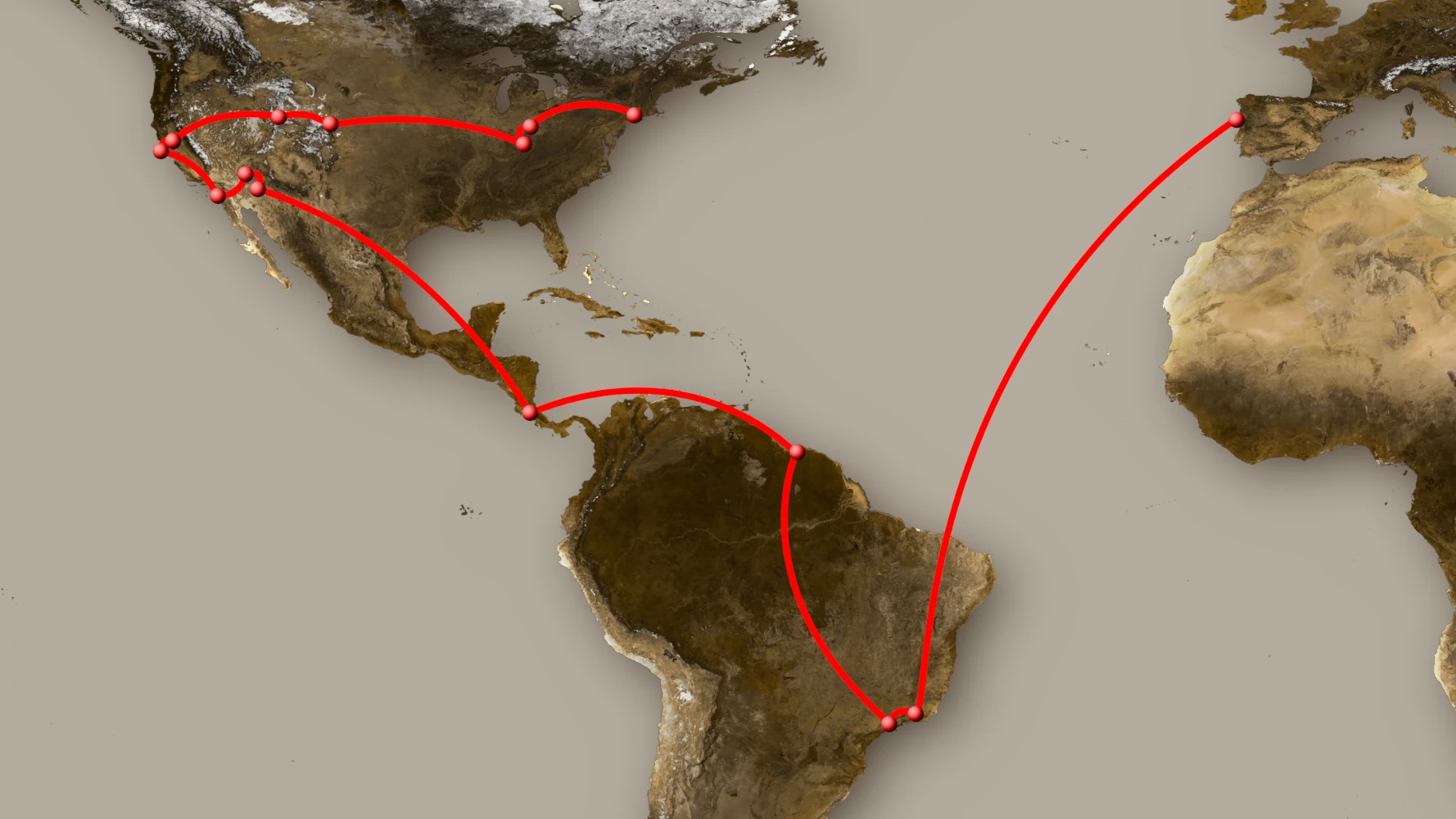
Filming is already underway, with substantial material recorded in Mexico, Ghana, Togo, Benin, and Guinea. The remaining filming will take place in North and South America, Europe, Africa, Asia, and Australia.

How you can help
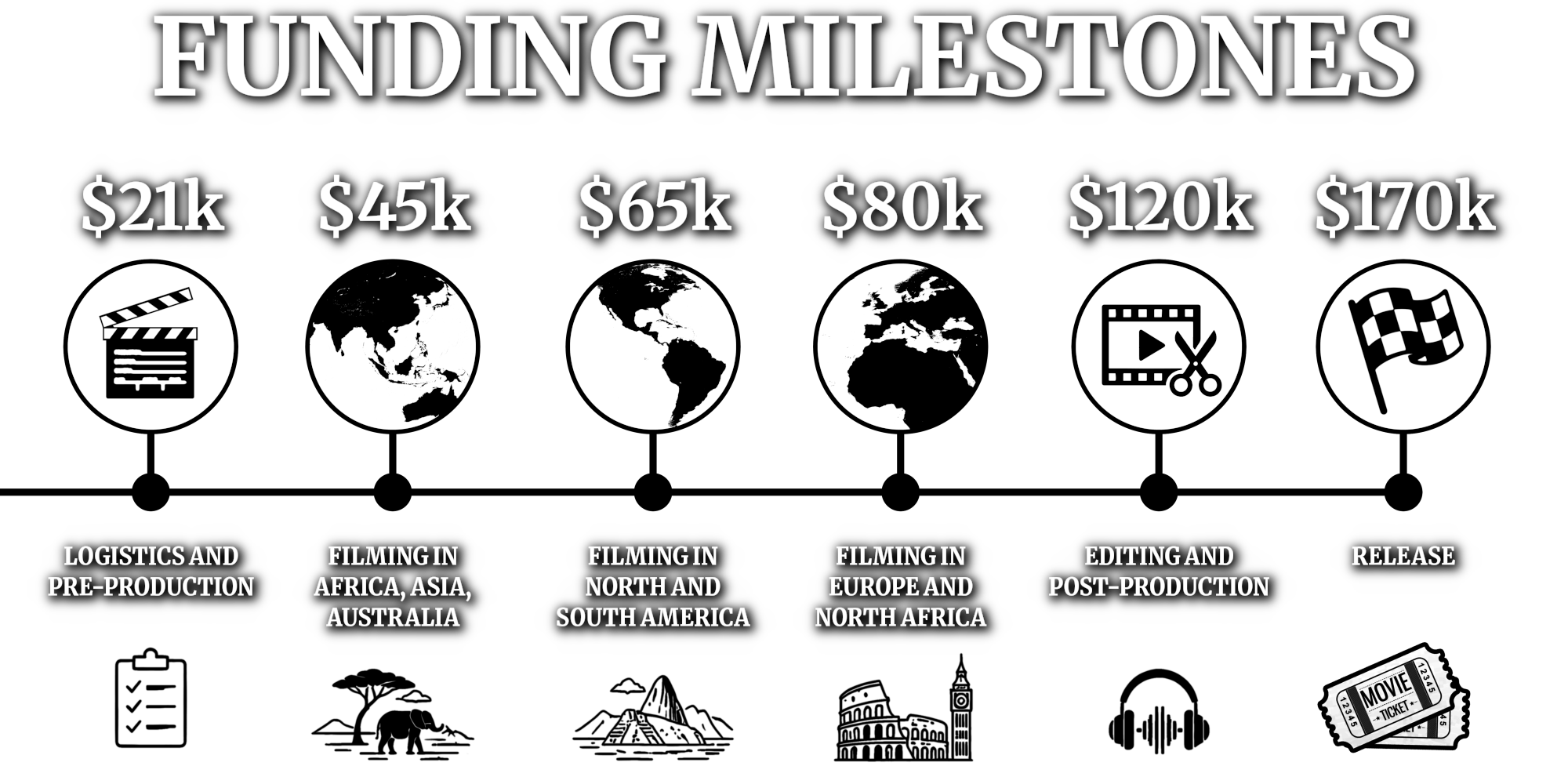
The project is seeking contributions to complete the remaining filming, post-production, and release.
Donation
Story Overview
PART I: From Infectious Diseases to Antivenom
Antivenom emerged in the late 1800s from the same immunological revolution that produced vaccines, antitoxins, and serum therapies. The fundamental process for producing it has remained the same for over a century, but that is finally changing.
PART II: Geography: Who Dies Where, and Why
Snakebite is one of the world’s most neglected diseases, but outcomes are shaped by more than just snakes and their venom. Geography, poverty, medical training, supply chains, and access to care often determine who survives.
PART III: Toxins and Targets: How Venoms Work
Venoms are complex biochemical cocktails. They injure blood, tissue, and the nervous system, sometimes all at once. Every toxin acts in a different way, on different targets, and requires a different strategy to counteract its effects.
PART IV: Time is Tissue: Envenomation, Measurement, and Treatment
Snakebite is a complicated medical emergency that requires immediate, skilled intervention. When clinicians have effective antivenom, basic medical equipment, and the training to use them, fatalities can be reduced by more than 95%.
PART V: Emerging Innovations
Advances in analytical technology are rapidly changing how scientists understand venoms. New ways of neutralizing venom toxins may expand clinicians’ options beyond traditional antivenom alone.